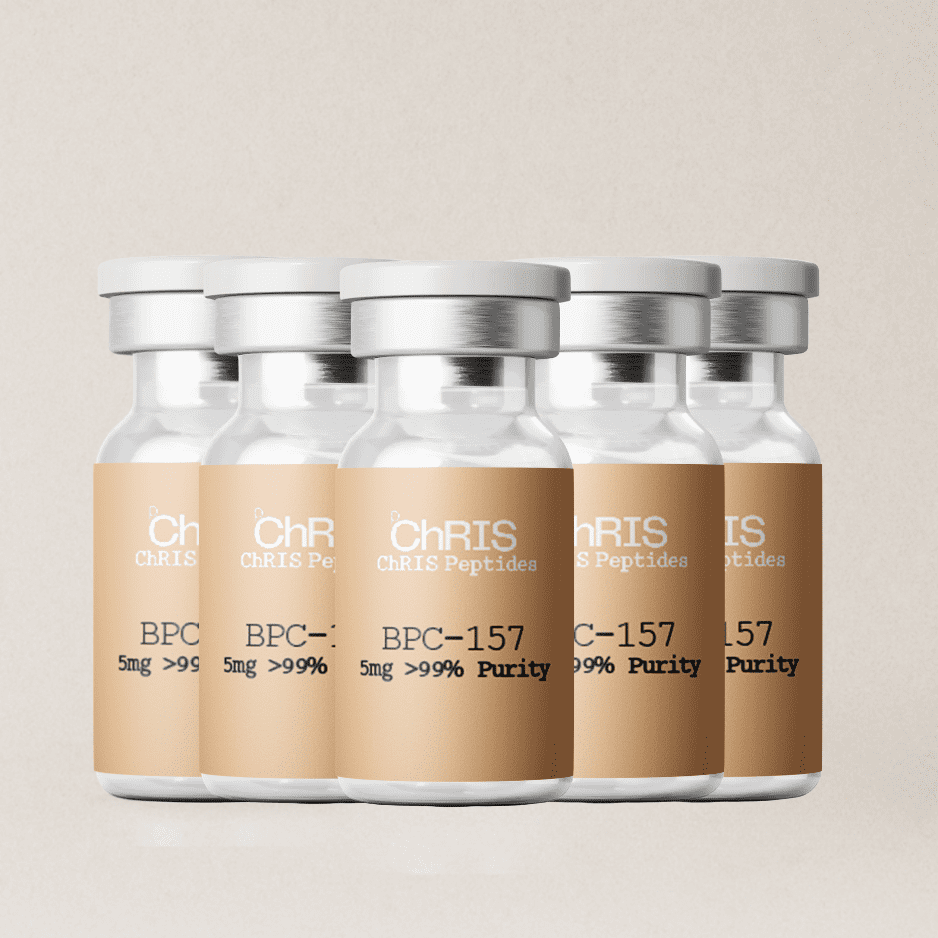
| BPC-157 is a laboratory-synthesized pentadecapeptide with the molecular formula C₆₂H₉₈N₁₆O₂₂, structurally derived from a naturally occurring body-protection factor associated with gastric systems. In laboratory studies, it has been examined for its role in angiogenic and cytoprotective signaling, with observed involvement in nitric-oxide–related pathways, growth-factor regulation, and extracellular matrix dynamics. These characteristics make it a useful experimental model for investigating cellular resilience, tissue repair signaling, and regenerative molecular responses under stress conditions.
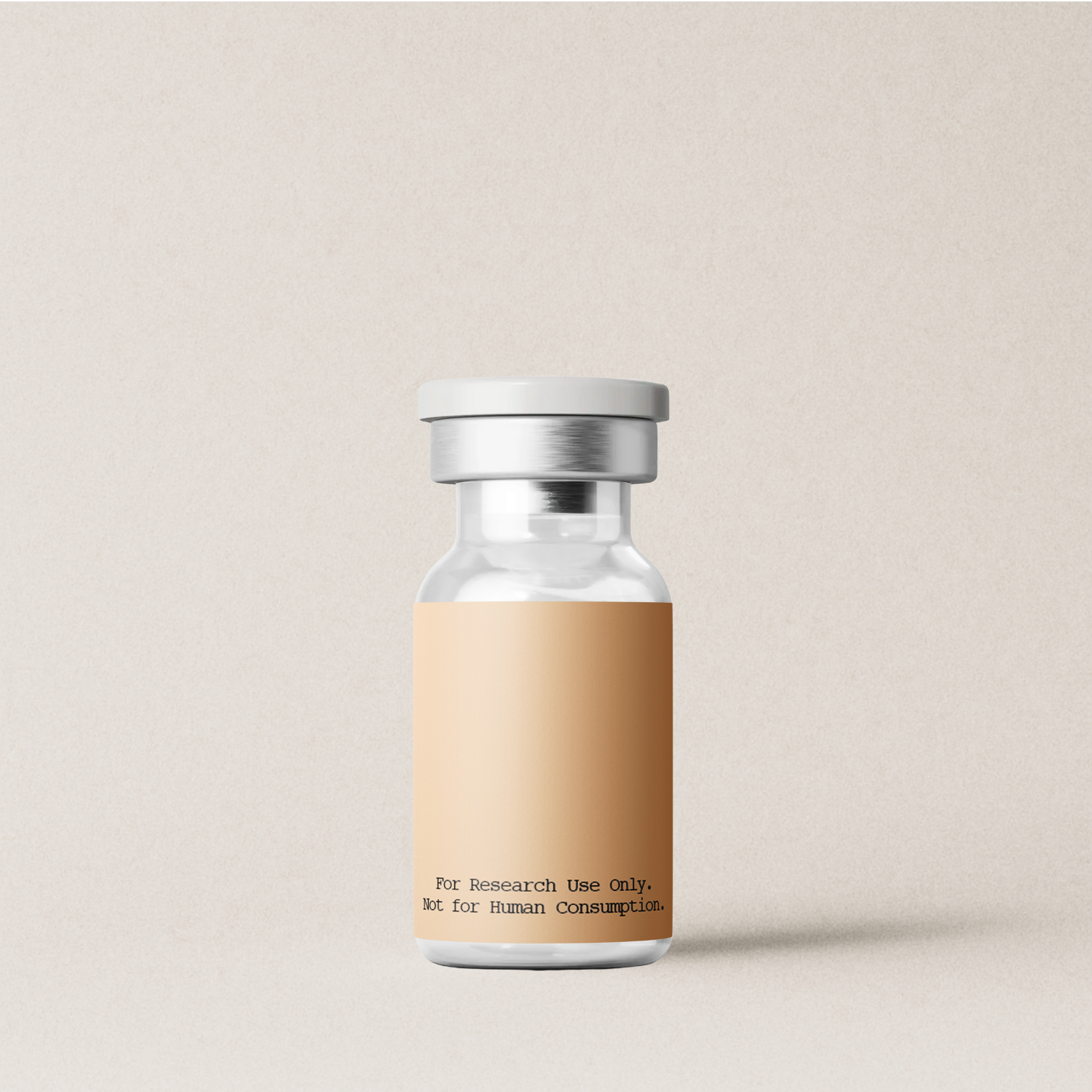
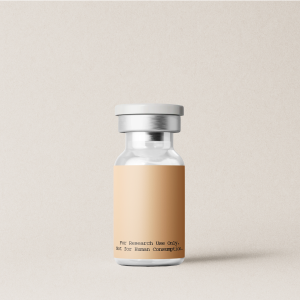
Supplied in a 3 mL vial as a lyophilized (freeze-dried) powder requiring reconstitution with a laboratory diluent. For laboratory research use only. Not for human or veterinary consumption. |
BPC-157 (5 Pack) ― 5mg
$230.00
28 in stock
RELATED PRODUCTS
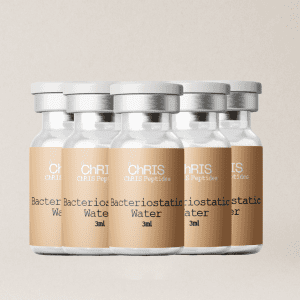
Bacteriostatic Water 10mL
Cagrilintide ― 5mg
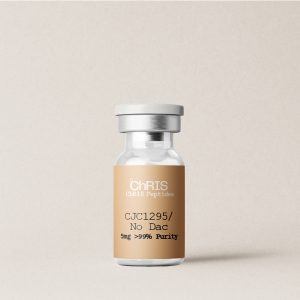
CJC-1295 (No DAC) ― 5mg
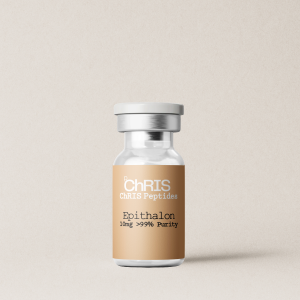
Epithalon ― 10mg
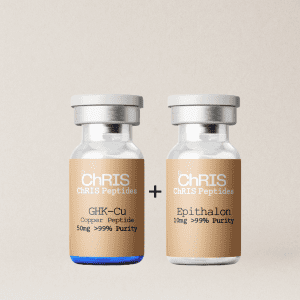
GHK-Cu ― 50mg + Epithalon ― 10mg
GHK-Cu (C₁₄H₂₄N₆O₄·Cu²⁺) is a copper-coordinated peptides complex formed from the tripeptide Gly-His-Lys chelated with divalent copper ions. In laboratory research, it is examined for its involvement in extracellular matrix dynamics and peptides-mediated cellular signaling processes. Experimental studies have shown that GHK-Cu influences collagen-related pathways, gene regulatory activity, and copper-dependent redox systems, making it a useful reference compound for research into tissue remodeling, metalloprotein interactions, and regenerative biochemical mechanisms.
Epithalon (C₁₄H₂₂N₄O₄) is a synthetic tetrapeptide composed of the amino acid sequence Ala–Glu–Asp–Gly and is studied in laboratory research as a derivative of endogenous thymic peptides systems. Experimental investigations have associated this peptides with regulatory activity related to telomerase-associated processes, oxidative balance, and circadian gene expression through pathways linked to pineal peptides signaling. As a result, Epithalon is commonly employed as a reference compound in studies focused on genomic integrity, epigenetic regulation, and neuroendocrine peptides signaling mechanisms.
Both are supplied in individual 3 mL vial as a lyophilized (freeze-dried) powder requiring reconstitution with a laboratory diluent. For laboratory research use only. Not for human or veterinary consumption.